Tea is among the most consumed beverages globally, cherished for its robust flavor, refreshing aroma, and extensive health benefits. Tea is produced by the processing of the Camellia sinensis leaf and is available in different forms, such as blends and tea dust. Whether used for relaxation, energy, or health, tea holds great importance in individuals’ everyday lives across cultures.
Tea Blend
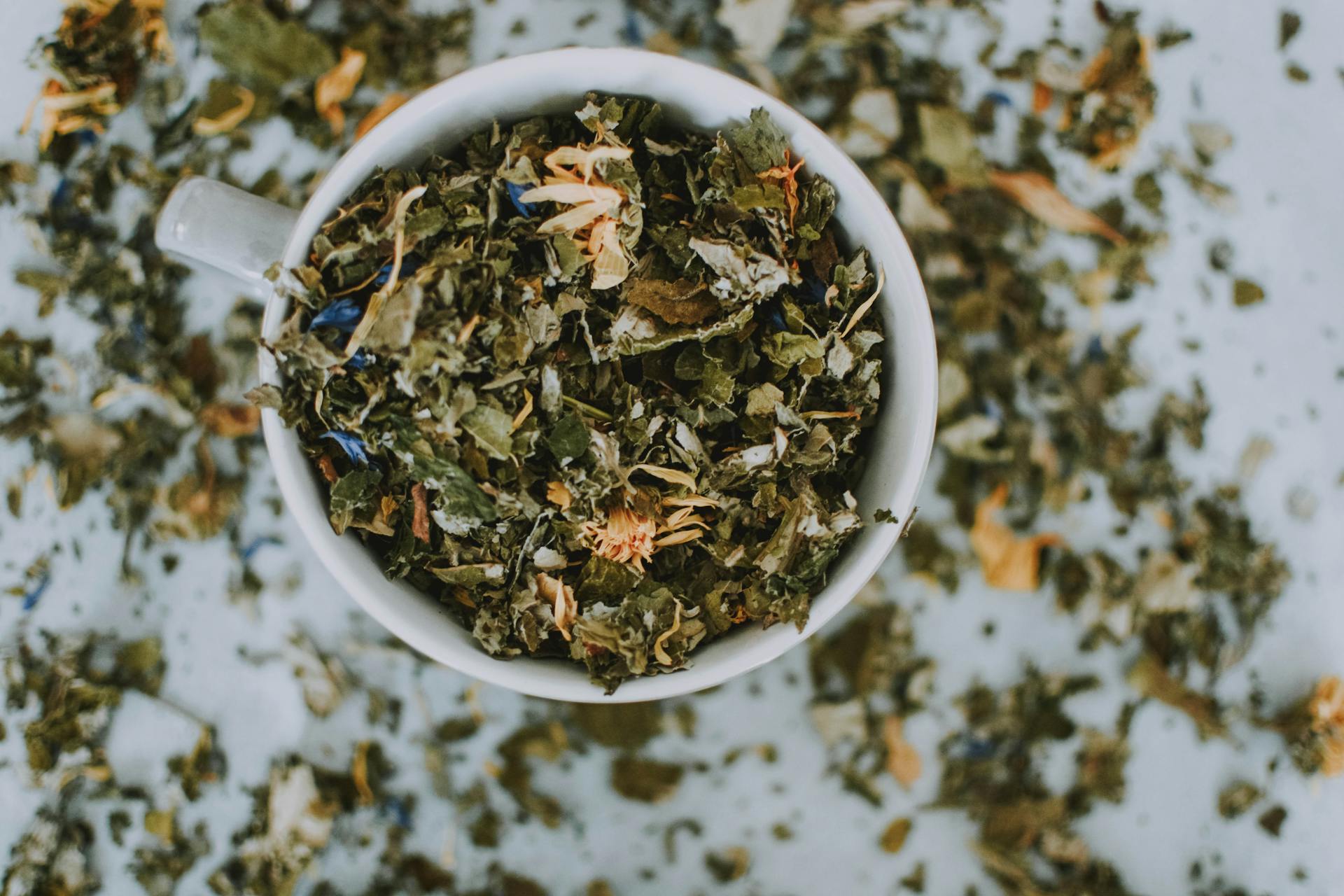
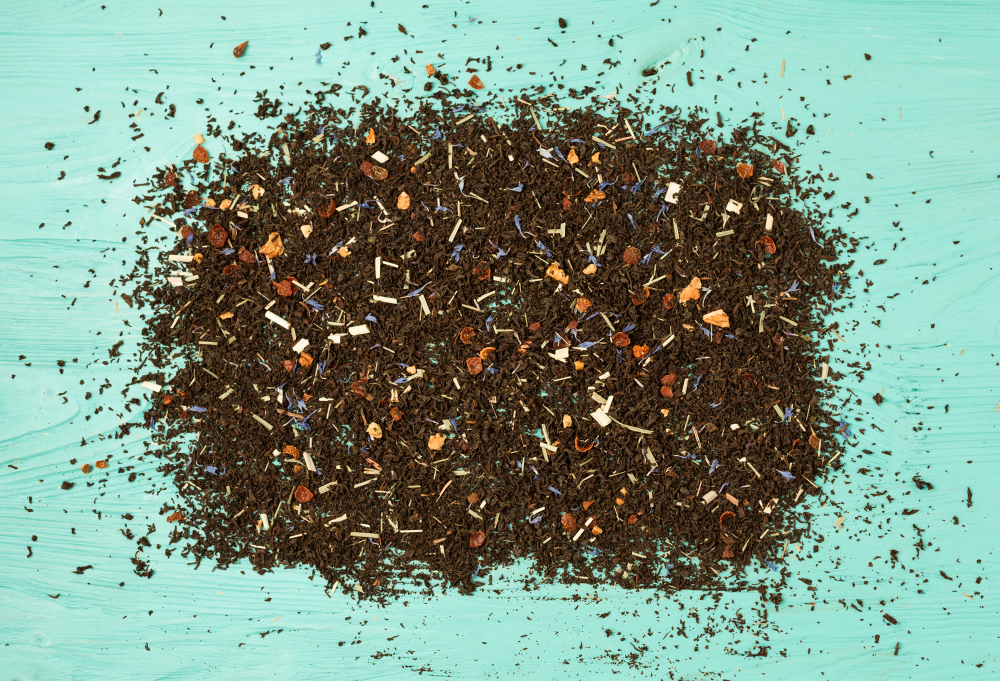
Tea blends are a mix of different varieties of tea leaves, herbs, spices, and natural essences. Tea blends are manufactured skillfully to augment flavor, aroma, and medicinal properties. Some of the best-selling tea blends are:
- Masala Tea is a combination of black tea and spices like cardamom, cinnamon, ginger, and cloves, giving a warm and spicy taste.
- Green tea infusions are usually combined with herbs such as mint, lemongrass, or jasmine to provide a refreshing and purifying experience.
- Flavor teas come with fruit, vanilla, or flower flavors that yield a characteristic taste profile.
Blended teas provide a balanced and customized flavor, according to personal preference. They contain antioxidants, increase the metabolic rate, and facilitate digestion, thus making them a healthy drink option.
Tea Dust
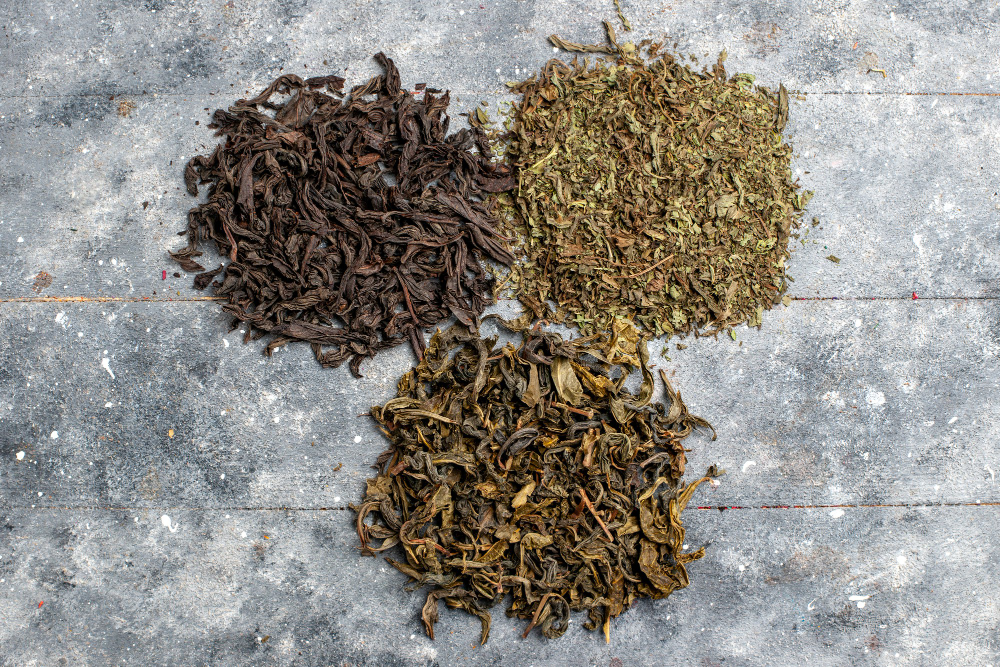
Tea dust is premium-quality tea, made up of tiny broken tea leaves. It is typically used in tea bags and for brewing strong, fast-brewing teas. It is famous for its strong flavor and dark color and is often used in Indian chai and other strong brews.
Tea dust is quicker to brew compared to whole-leaf teas, offering a strong and concentrated flavor. It has high levels of caffeine, which makes it a refreshing drink. Despite its tiny particle size, tea dust still has necessary antioxidants that are good for the heart. Tea dust and blends both suit personal preferences and offer a refreshing and excellent tea experience.