Whole spices are a part of worldwide cuisine due to the fact that they spice food with their inherent flavor and aromatic nature. Unlike ground spices, whole spices retain their natural oils and freshness for a longer period, making them a favorite among chefs and home cooks.
Common Whole Spices & their Uses
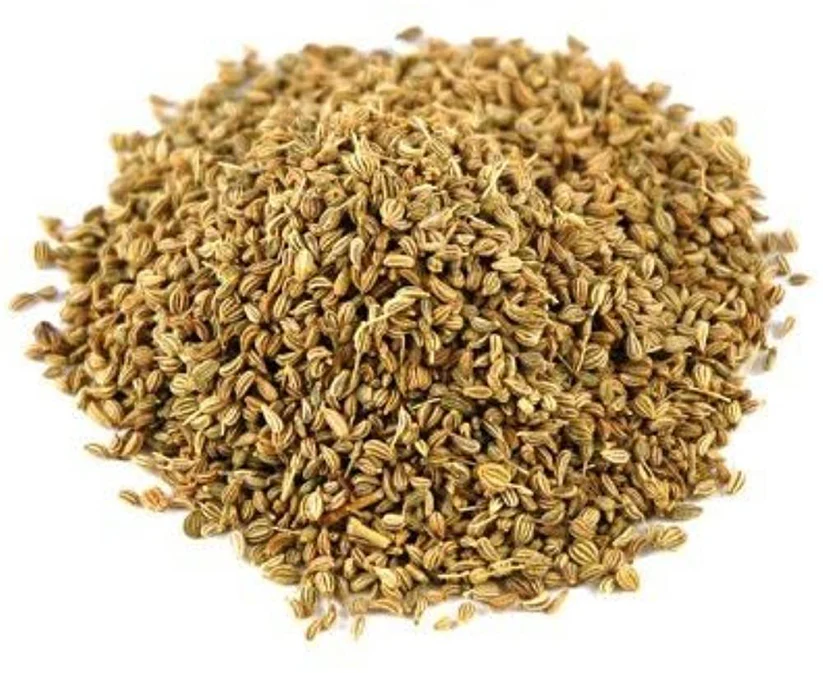
- Ajwain (Carom Seeds) Having a strong thyme-like flavor, ajwain is an Indian staple spice to help with digestion and give breads, lentils, and curries a peppery taste.
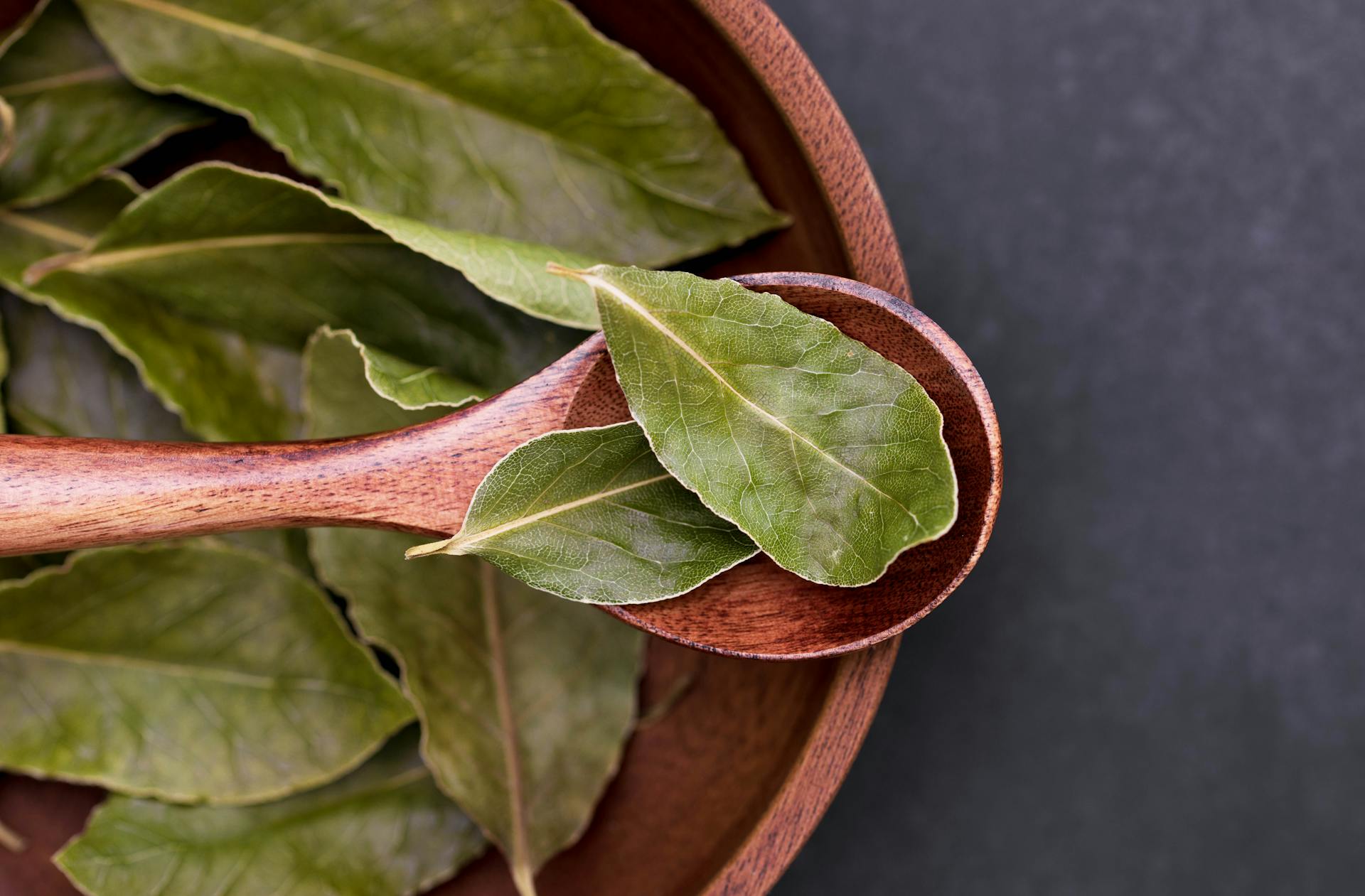
- Bay Leaves are aromatic leaves that provide depth to soups, stews, and rice. They contribute their subtle, earthy taste when cooked.
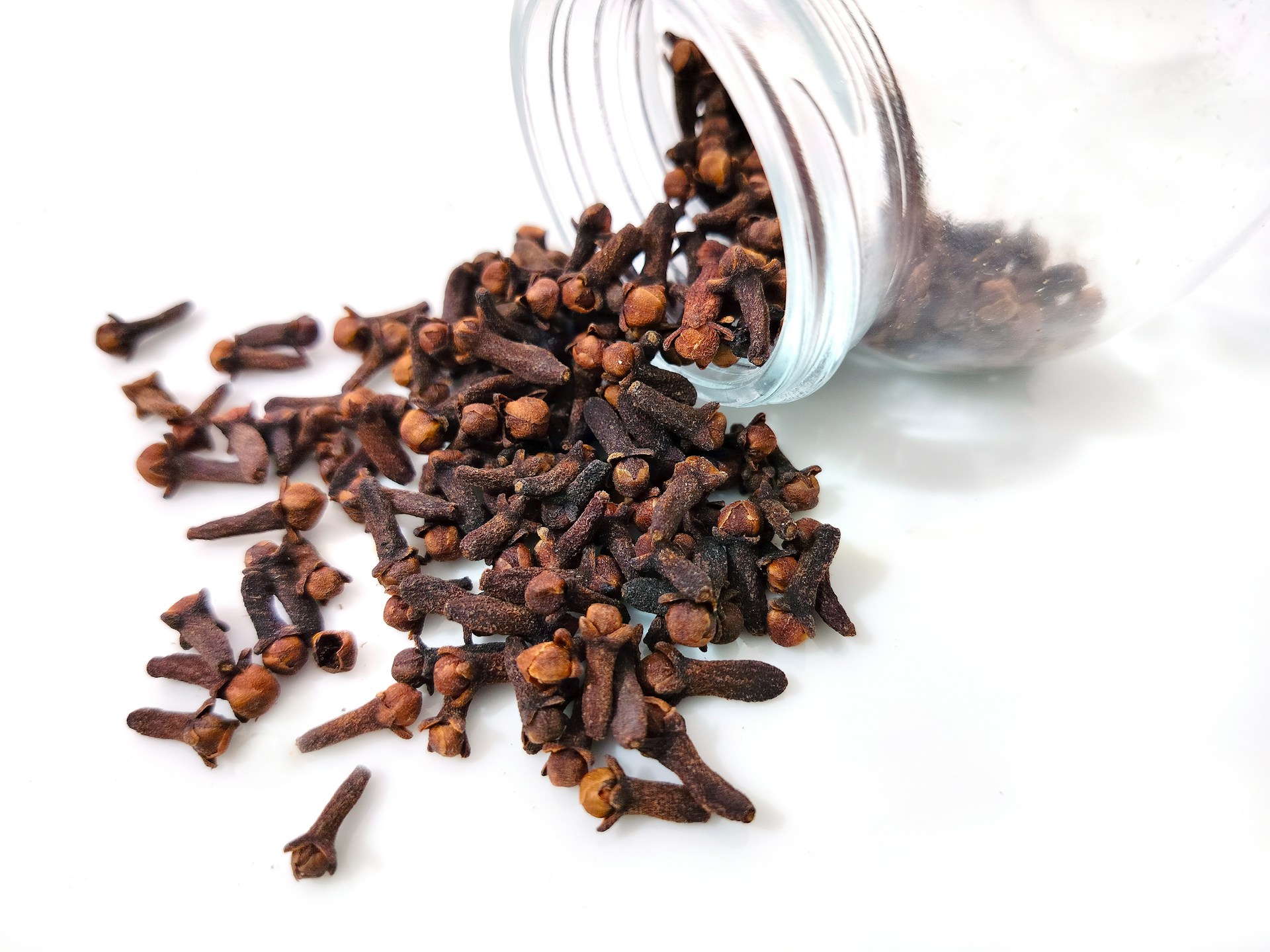
- Cloves are highly scented and have a warm, slightly sweet taste. They are used in numerous spice mixtures, teas, and medicines.
- Cinnamon is a warm, sweet spice that is used in sweet foods as well as in savory foods, including curries and baked foods.
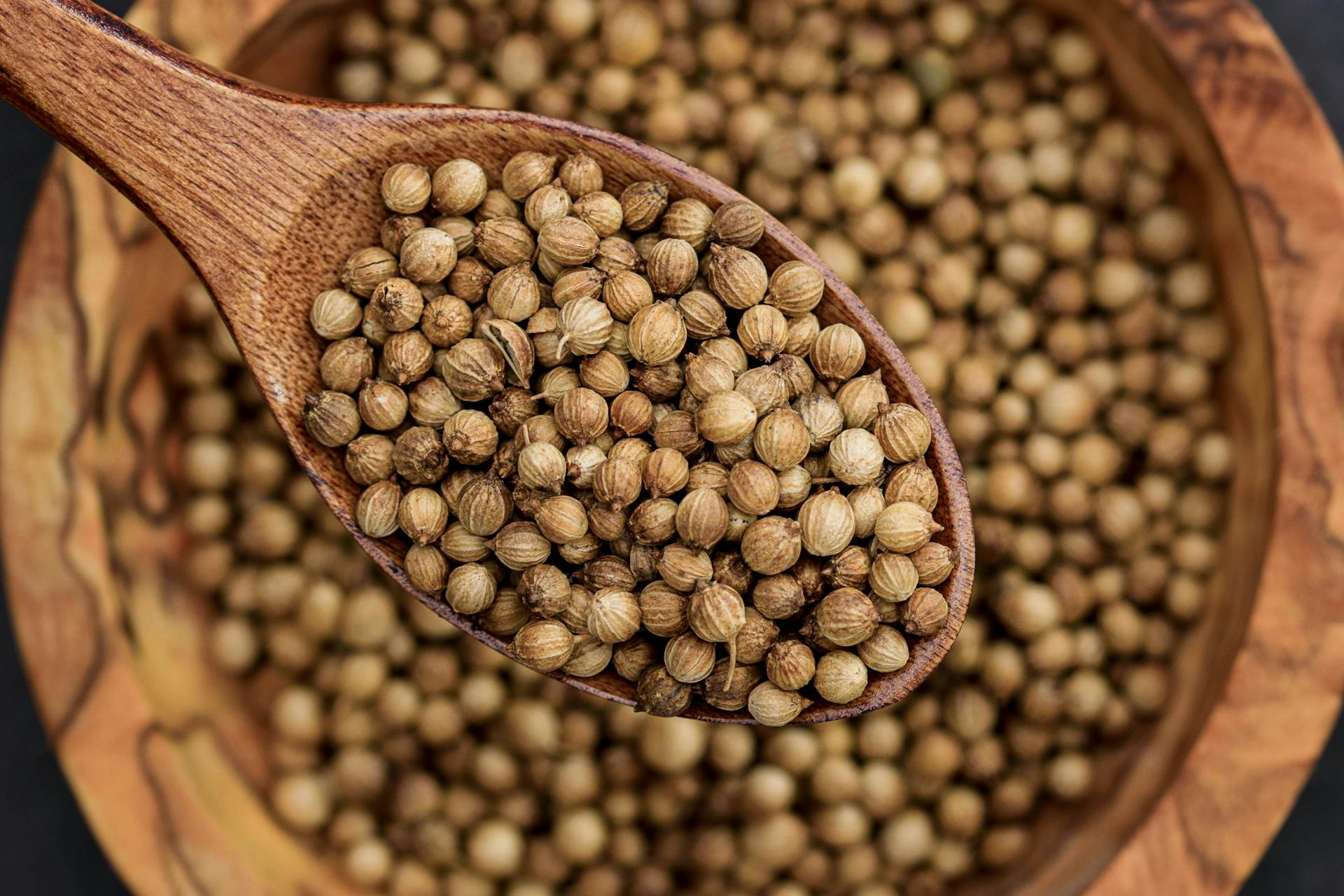
- Coriander Seeds – Earthy with citrus overtones, coriander seeds are whole or ground and used in spice mix, pickles, and curries.
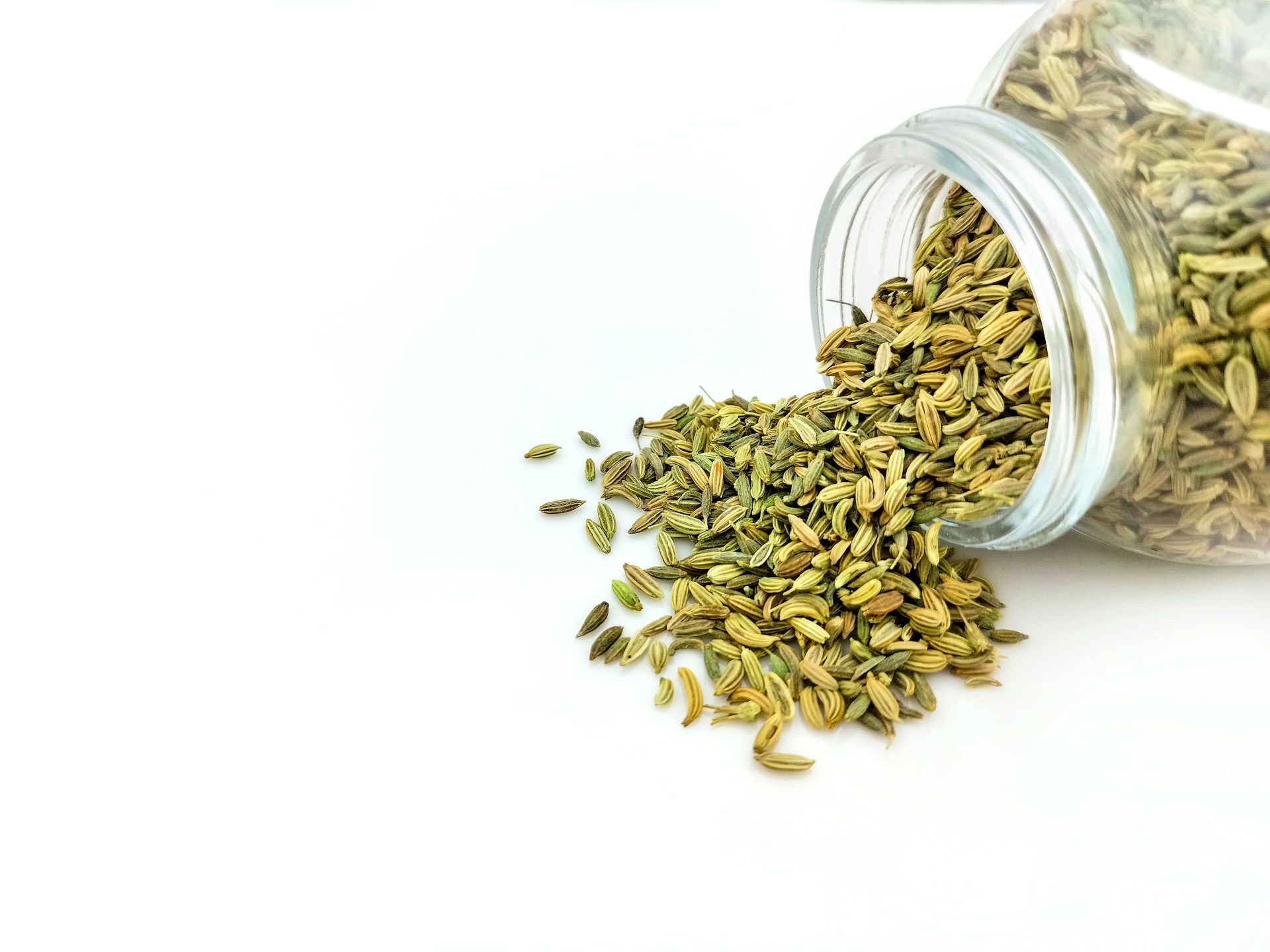
- Fennel seeds have a sweet, licorice flavor and are used for culinary purposes, herbal teas, and as a mouth freshener.
- Fenugreek Leaves – Aromatic and bitter, dried fenugreek leaves (Kasuri Methi) give Indian curries, breads, and sauces depth.
- Black Pepper, commonly known as the “king of spices,” adds a hot and pungent flavor, and it is a basic ingredient in many world cuisines.
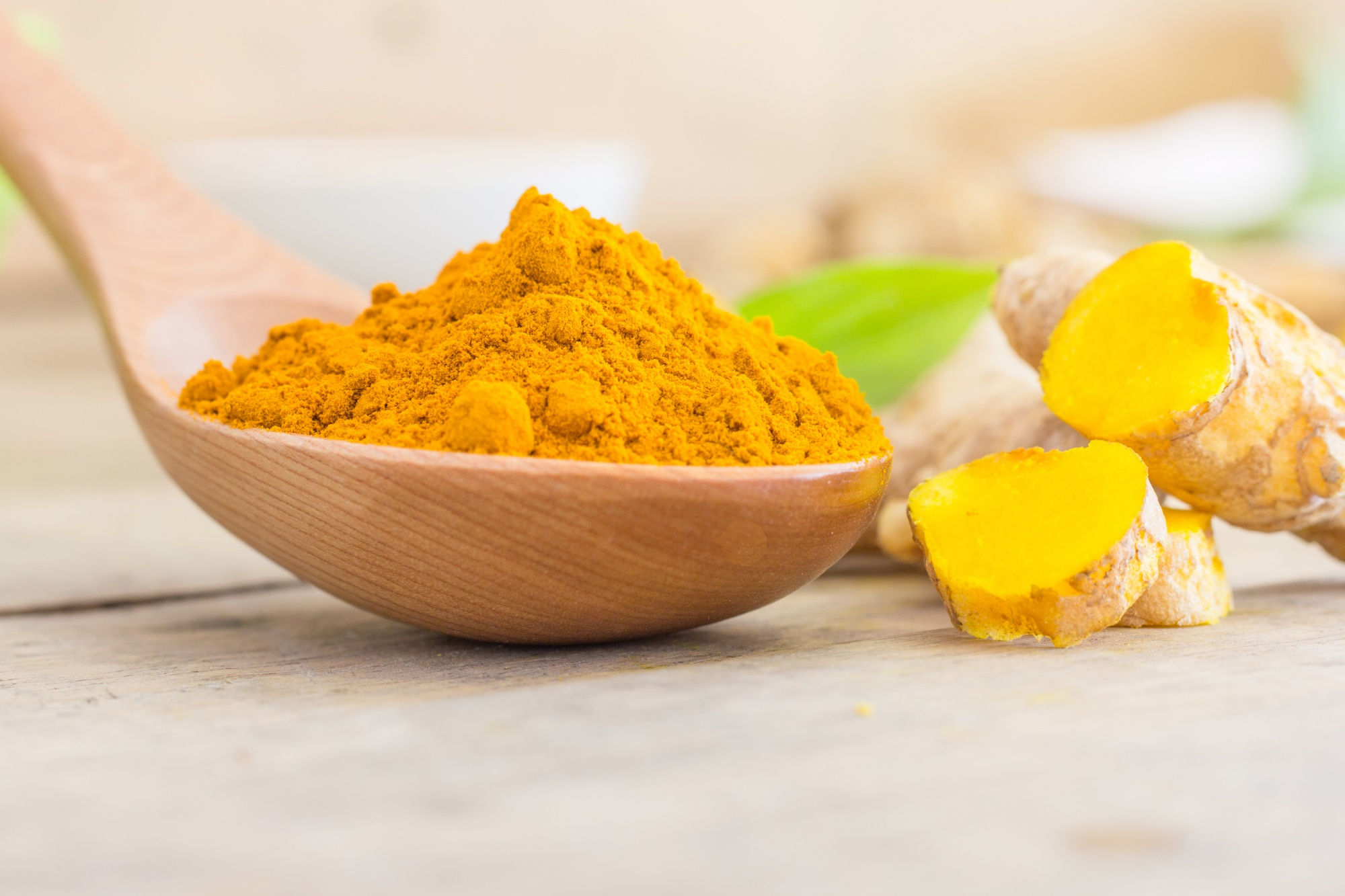
- Turmeric, with its rich yellow hue and earthy taste, is highly valued for its medicinal qualities and used as the primary flavoring of curry recipes.
Storage and Advantages
Whole spices contain a wealth of antioxidants and essential oils that facilitate digestion, inflammation reduction, and immunity enhancement. To retain their potency, they must be stored in tight-lidded containers, away from heat and humidity. Whole spices are utilized in cooking, beverages, and traditional medicine and are still an active ingredient of global cuisines.